The Issue
Despite its severe impacts on cognitive and physical health, the issue has historically received little philanthropic attention.
The problem of global lead exposure
Exposure to the toxic metal can cause long-term harm to human health, even at low levels. In children, lead exposure adversely affects the developing brain, causing reduced cognitive development, lower educational attainment, learning disabilities, reduced attention span, and behavioral disorders. In adults, lead exposure can cause problems with the nervous system, kidney function, and the cardiovascular system.
An estimated 1.5 million people die each year from causes related to lead exposure.

Case study
United States (Flint, Michigan)
In Flint, Michigan — the center of a major scandal on child lead exposure in the United States — it was estimated that one in twenty children (under five) had blood lead levels above the WHO’s recommended threshold for action (5µg/dL) at the peak of the crisis. At present, one in two children (under fifteen) in LMICs are estimated to be above that same threshold. Global lead exposure is estimated to be responsible for 900,000-1.6 million deaths annually, as well as substantial cognitive and non-cognitive developmental effects.
Case study
City 2, Country
Add another case study on the problem if we decide to do so.
Case study
City 3, Country
Add another case study on the problem if we decide to do so.
Preventable, but underfunded
Prior to the launch of the Lead Exposure Action Fund, only around $11 million was spent each year by philanthropists on this problem, with GiveWell and Open Philanthropy having been the largest funders. For comparison, HIV/AIDS receives over $200 of philanthropic and aid spending per DALY [disability-adjusted life year] of current burden, while lead exposure was receiving less than 1/400th of that amount.
Lead exposure is also an unusually tractable issue, at least for some sources of exposure. Average blood lead levels in the USA declined 94% between the late 1970s and the 2010s. Internationally, large declines in lead exposure have been driven by the elimination of leaded gasoline. More recent successes include the case studies highlighted [above/below].
The impact so far
Since 2021, GiveWell and Open Philanthropy (the founding organization behind the Lead Exposure Action Fund) have been the biggest philanthropic funders of efforts to reduce lead exposure in LMICs, making over $9 million in grants. The initial funding had a bigger impact than they expected.
Preventing lead contamination in spices
Bangladesh
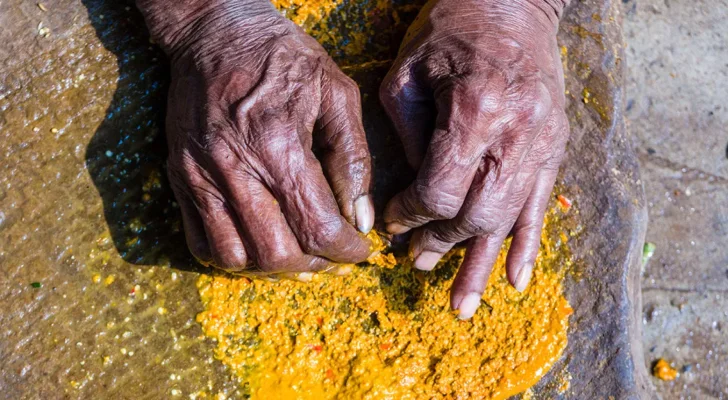
A research team in Bangladesh found that local producers were adding color to their turmeric by mixing in lead chromate pigments. The team worked with public health authorities to spread the news and confiscate contaminated spices. In 2019, half of their tests found contamination; by 2021, they were no longer detecting any lead. And lead levels in the blood of those they tested fell by a median of 30%.

Removing lead from the paint supply
Malawi
In 2021, the Lead Exposure Elimination Project found that lead contamination was common in Malawi’s paint supply. They talked to paint manufacturers about lead-free production methods and worked with the Malawi Bureau of Standards to strengthen auditing processes, update standards, and increase testing capacity. By 2023, the country’s most popular paint manufacturer had gone lead-free, and other brands weren’t far behind. Overall, the proportion of consumer paint containing high lead levels fell by 43%.
Screening over 5k+ consumer products across 25 countries
Global
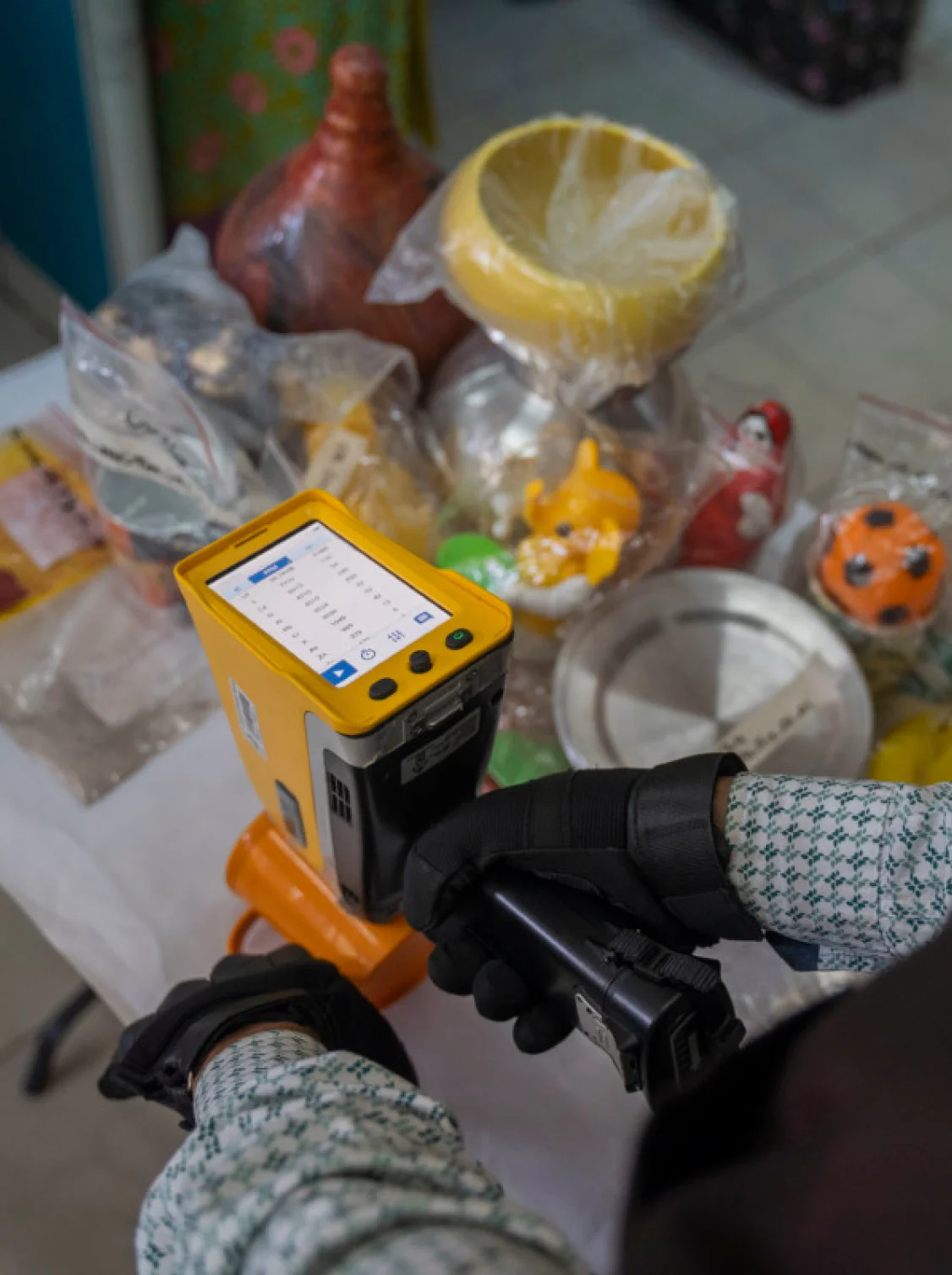
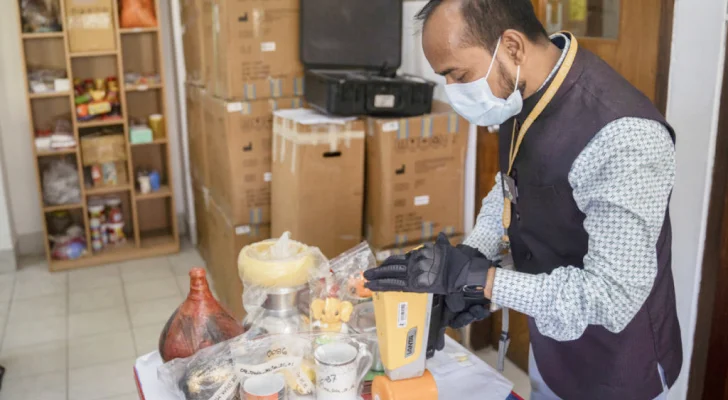
In 2021, Pure Earth began to analyze the levels of lead contamination across thousands of different foods and other products being sold in low- and middle-income countries. 18% of their samples exceeded reference levels for lead — including over 40% of paint and foodware samples. This research drove Pure Earth to make a seven-point plan for addressing lead exposure; many elements of their strategy overlap with the goals of our fund.
This period has also seen growing international attention and action on lead exposure. USAID Administrator Samantha Power called for a lead-free future in a January 2024 presentation to the World Economic Forum in Davos. And the G7, led by Germany, issued a communiqué in May 2022 establishing a strong commitment to reducing lead in the environment and encouraging appropriate domestic regulation or control of lead in all countries.
The future
The world has made progress on eliminating lead exposure. But there’s still much more we can do.
Past efforts have made lead exposure a much smaller factor for over a billion people in high-income countries. We want to help billions of people in low-income countries enjoy the same relief.
The Lead Exposure Action Fund has the opportunity to make transformative grants to speed up the measurement, mitigation, and mainstreaming of lead exposure and substantially accelerate global progress toward a lead-free world.